
What inspires Azizi Gibson’s music? hidden secrets
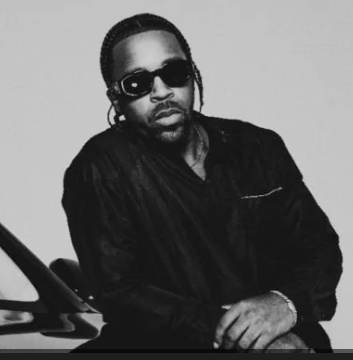
What Inspires Azizi Gibson’s Music? The Short Answer First
If you’ve only got a minute, here it is: Azizi Gibson’s music is built from three things stacked on top of each other. A childhood spent bouncing between countries. A deep love of anime and video games that never got left behind. And a small, specific list of artists he’s named again and again, mainly Eminem, Outkast, Linkin Park, and Gorillaz. None of that is a guess. It’s all things he’s said himself, in his own words, across years of interviews.
Now let’s actually dig into why that mix makes his music sound the way it does, because the story behind it is more interesting than the short version lets on.
The Childhood That Shaped Everything
Most rappers grow up in one neighborhood. Azizi Gibson didn’t get that. He was born in Frankfurt, Germany, into a military family, and from there his childhood turned into a map. He lived in Zaire, then Bangkok, then Singapore, then back to Bangkok again, before his family finally landed in Maryland when he was around 11 years old.
That’s not a small detail you skim past. That’s the actual root of his sound. He’s talked about how music was one of the only constants while everything else around him kept changing, and how his older siblings are the ones who first got him into rap while he was still overseas. When your childhood is a series of new countries and new schools, you either lose your sense of self or you build a really strong one. Azizi went with the second option, and it shows up in almost everything he’s released since.
Table of Contents

The Artists He Actually Names (Not the Ones People Assume)
Here’s where it gets interesting, because Azizi has been asked this exact question in more than one interview, and his answer stays pretty consistent.
He’s pointed to Eminem, Outkast, and Linkin Park as his main influences after the year 2000, and said flat out there really isn’t anyone after 2010 that’s shaped his sound the same way. He’s also singled out Gorillaz and Linkin Park specifically as his two favorite bands during his years living in Thailand and Singapore, saying both groups used rap in a way that felt natural instead of forced, blending it with pop and R&B.
That’s a very specific answer, and it explains a lot. Eminem’s influence shows up in his cadence and his willingness to say things other rappers won’t. Outkast’s fingerprints are all over his refusal to sound like anyone else. And the Gorillaz and Linkin Park influence explains the genre-blending, the way his tracks slide between rap, singing, and something closer to alternative rock without it feeling like a gimmick.
He’s also been upfront that he doesn’t really keep up with newer rappers on purpose. In one interview he explained that he doesn’t listen to a lot of new artists because he’s good at taking something and making it better, but he specifically doesn’t want that borrowed sound to become his own style. It’s a deliberate choice to protect his own voice, not a lack of curiosity.
Anime, Video Games, and Growing Up Overseas
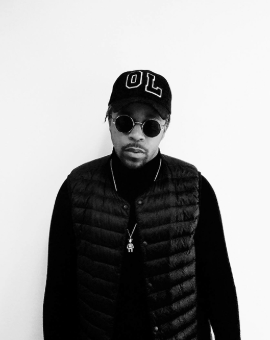
This is the part that makes Azizi Gibson stand out from basically every other rapper in his lane, and it’s not a small detail he mentions once. It’s baked into his whole catalog.
He’s said he’s been talking about anime in his music for years, tracing it directly back to being raised overseas. His favorite anime is Hunter x Hunter, and references to manga, anime, and gaming culture show up consistently across his lyrics, sitting right next to more standard rap subject matter. In his own words, he grew up soaking up everything from wherever he happened to be at the time, so anime and games became just as much a part of his identity as hip-hop did.
This matters because it’s rare. A lot of rappers reference pop culture in passing. Azizi built entire alter egos and album themes around it, including the Grim Reaper persona that runs through projects like Memoirs of the Reaper. That’s not a costume he put on for one song. It’s a character he’s said he genuinely relates to.
The Flying Lotus Connection
No conversation about what shaped Azizi Gibson’s music is complete without this story, and it’s a real one, not industry legend. He met producer Flying Lotus by chance at a gym in Los Angeles after moving there in 2010 with nothing but a low-budget mixtape. That chance meeting led to a deal with Flying Lotus’s Brainfeeder label, and it pushed his sound toward something more experimental than a typical rap release at the time.
That period matters because Brainfeeder isn’t a straightforward hip-hop label. It’s known for boundary-pushing, genre-blending production, and being on that roster nudged Azizi further into the sound he was already leaning toward: rap that doesn’t sit still inside one genre.
Personal Struggle as a Direct Influence
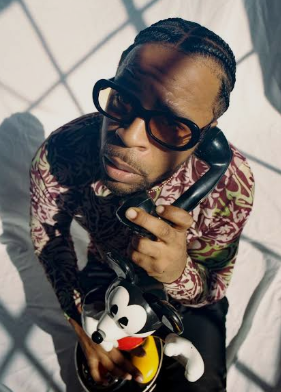
One more piece often gets left out of “influence” articles because it’s less comfortable to talk about, but Azizi has addressed it directly. When a fan once wrote to him saying his music helps them get through hard days and asked what helps him get through his, he answered honestly, admitting his own life feels chaotic and that he uses music to help others even while dealing with that himself.
That’s not a marketing angle. That’s him saying, on record, that making music partly comes from working through his own struggles in real time. It’s part of why his songs about heavier topics land the way they do. It’s not performed distance from the subject. It’s closer to the source than most listeners realize.
How All of This Shows Up When You Actually Listen
If you’re new to his catalog and want to hear these influences directly instead of just reading about them, here’s where to notice them:
The Eminem influence comes through most in his rapid, technical flow and his baritone delivery, something one interviewer described as channeling the energy of an Eminem and Nate Dogg duet.
The Gorillaz and Linkin Park influence shows up whenever a track shifts from straight rap into a more melodic, sung hook, especially on releases like A New Life and Xenophile.
The anime and gaming influence is easiest to spot in his lyrical references and song titles, and it’s most concentrated on Ghost in the Shell and PreHISTORIC Till Death.
The overseas childhood shows up less obviously but more consistently, in the way his subject matter shifts between cultures, identity, and not quite belonging to one place, a theme he’s returned to across nearly every project since 2013.
If you want to start somewhere, his own answer to “what song best represents you” was Ghost in the Shell, from the mixtape of the same name. That’s a straight answer from him, not a guess from a music blog, so it’s a genuinely good entry point if you’re deciding where to press play first.
Grid


Frequently Asked Questions
What inspires Azizi Gibson’s music?
Mainly three things: his childhood moving through Zaire, Bangkok, and Singapore, a lifelong love of anime and video games, and a specific set of artists he’s named directly, including Eminem, Outkast, Linkin Park, and Gorillaz.
What genre is Azizi Gibson?
His music is generally classified as hip-hop, trap, and abstract hip-hop, though his sound also pulls in pop rap and cloud rap elements depending on the project.
Where did Azizi Gibson grow up?
He was born in Frankfurt, Germany, and spent his childhood in Zaire, Bangkok, and Singapore before his family settled in Maryland when he was around 11.
How did Azizi Gibson get signed to Brainfeeder?
He met producer Flying Lotus by chance at a gym in Los Angeles shortly after moving there in 2010, which led directly to his signing with Flying Lotus’s Brainfeeder label.
Why does Azizi Gibson reference anime in his music?
He’s said he’s been referencing anime in his lyrics for years, tracing it back to being raised overseas, and has named Hunter x Hunter as his favorite series.
What is Azizi Gibson’s most representative song?
When asked directly which track best introduces new listeners to who he is, he named Ghost in the Shell, from his 2013 mixtape of the same name.
Final Thoughts
Azizi Gibson’s sound isn’t an accident and it isn’t borrowed from whatever’s trending. It’s built from a childhood that never stayed in one place, a genuine love of anime and gaming that never got left behind for the sake of looking cool, and a short, deliberate list of influences he’s stuck with instead of chasing new ones. That combination is exactly why his music doesn’t sound like anyone else’s, and once you know the story behind it, it’s hard to hear his tracks the same way again.
If this cleared something up for you, send it to another fan who’s been wondering the same thing. Good, honest info on him is harder to find than it should be.
Leave a Reply