
Azizi Gibson: secrets you did not know about
Azizi Gibson Doesn’t Fit Anywhere, And That’s The Whole Story
Here’s the detail most write-ups skip: Azizi Gibson’s first real break came from signing to Brainfeeder, Flying Lotus’s label. Brainfeeder isn’t a rap label. It’s the home of Thundercat and Kamasi Washington — electronic, jazz-fusion, beat-scene stuff. A straightforward rapper doesn’t get signed there. Azizi did, and once you know that, his whole sound starts to make sense: warped samples, off-kilter drums, anime and video-game references dropped in without a wink, like he’s not performing nerd-rap, he just genuinely grew up that way.
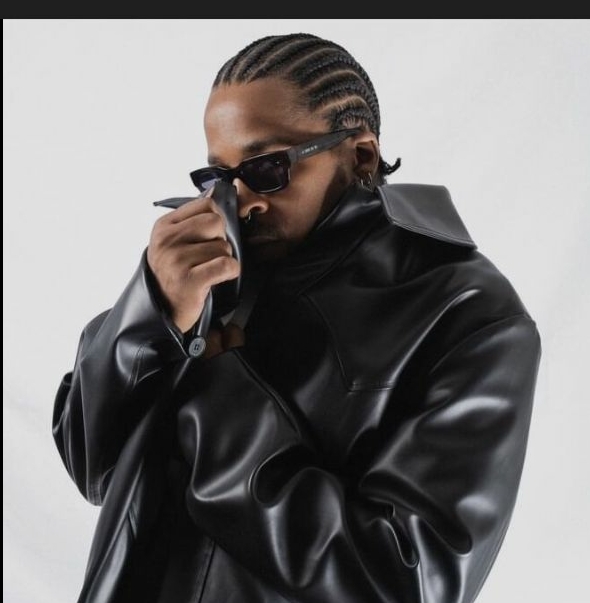
So who is he? Azizi Gibson is an independent American rapper, born October 5, 1990, in Frankfurt, Germany, to a U.S. military family. He spent his childhood bouncing between Zaire, Bangkok, and Singapore before landing in Maryland around age 11 — a background he’s said directly gave him no hometown at all. He got his deal with Flying Lotus after a chance meeting at their shared gym in Los Angeles, released his 2013 debut mixtape “Ghost in the Shell” on Brainfeeder, then broke off to run his own imprint, preHISTORIC, for the rest of his catalog.
That’s the setup. Here’s the part that actually matters: is the music any good, and where should you start.
Table of Contents
Who Is Azizi Gibson
His father’s military postings are the reason his childhood reads like a passport stamp collection instead of a normal bio. Frankfurt, then Zaire, then Bangkok, then Singapore, back to Bangkok, then finally Annapolis, Maryland. He’s the youngest of four kids. One detail worth flagging honestly: a few fan sources say he spent time at St. John’s College in Annapolis before dropping out — that detail traces back to a single fan blog rather than a verified outlet, so treat it as likely but not locked down.
What is locked down: the Flying Lotus gym story, the Brainfeeder signing, and the pivot to preHISTORIC as an independent label after that first deal ran its course.
The Brainfeeder Mismatch, Explained
This is the part a lot of coverage glosses over. Brainfeeder’s roster is built around jazz musicianship and electronic production — it’s a weird home for a rapper unless the rapper’s ear is already tuned to that world. Azizi’s early work leans into warped, off-kilter beats that owe more to that Brainfeeder sound palette than to standard 2013-era rap production. If you’ve heard Flying Lotus’s own instrumental work and then put on “Ghost in the Shell” or “Backward Books,” the DNA is audible. That’s the real reason his sound doesn’t sit next to typical SoundCloud-era rap — he came up inside a different scene than most of his rap peers did.
Career After Brainfeeder
Once he went independent under preHISTORIC, the release pace stayed steady: “preHISTORIC Till Death” (2015), “A New Life” (2016), “Memoirs of the Reaper” (2017), “Xenophile” (2018), “Chimera Act” (2019), “Reaping the Benefits” (2020), “You Reap What You Sew” (2022), “Guilty Pleasures” (2024), and 2025 releases including “The Legend of Aim” and “M.I.P.” One note on dating: at least one artist bio places “Grim Meets Evil” as dropping roughly a month after “preHISTORIC Till Death” in late 2015, while the fan-database listing puts it in 2016. I couldn’t confirm which is right, so take that specific year with a grain of salt.
What The Data Actually Shows (And What It Doesn’t)
Worth being straight about this: the numbers below come from RateYourMusic and Album of the Year, both crowd-edited fan databases, not professional critic scores. Sample sizes are small — some of his newer projects have fewer than 20 ratings total. That means this is a directional signal, not a verdict.
With that caveat: “A New Life” (2016) has the most engagement of anything in his catalog, averaging 2.98 across 129 RateYourMusic ratings. “preHISTORIC Till Death” (2015) is close behind at 2.90 across 70 ratings, and it also pulls his highest critic score on Album of the Year, 75, tied with “I’m Good on People” (2017) and “Grim Meets Evil.” His newer output rates lower across the board — “Guilty Pleasures” (2024) sits at a 46 user score on AOTY, and “The Legend of Aim” (2025) sits at 2.39 on RateYourMusic.
My actual take, not just the numbers: this isn’t just smaller sample sizes doing the work. The 2015–2017 run is where the Brainfeeder-era weirdness in his production was still front and center, and it’s what his most engaged fans keep coming back to rate and re-rate. The later projects lean more conventional — more straightforward trap and hip-hop structures, fewer of the warped, jazz-adjacent production choices that made the early work distinct. That’s a legitimate reason for the drop-off, not just an artifact of fewer people voting.
Live Reputation
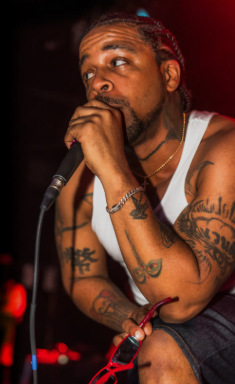
Azizi has built a real independent touring circuit — Los Angeles, Denver, New York, Chicago, the SF Bay Area — alongside acts like Hippie Sabotage, Denzel Curry, Jez Dior, and The Underachievers. One promoter bio from a few years back cited 11 tours and 200-plus shows; Songkick’s own logged history shows 174 past events, which is a rougher but more directly sourced number. Either way, this is a guy who tours constantly rather than one who leans on streaming numbers, and fan reviews from his shows consistently mention him sticking around after sets to meet people — a small detail, but one that shows up often enough across independent write-ups to be a real pattern.
Frequently Asked Questions
Why did a jazz label sign a rapper?
Flying Lotus signed Azizi to Brainfeeder after meeting him by chance at their shared LA gym. It’s an unusual pairing on paper, but Azizi’s early production leans into the same warped, jazz-adjacent sound Brainfeeder is known for, which is likely exactly why the fit worked.
What’s the best Azizi Gibson album to start with?
preHISTORIC Till Death” (2015) or “A New Life” (2016) — both his highest-rated and most-engaged projects, and both from the stretch where his Brainfeeder-influenced sound was most distinct.
Is Azizi Gibson still signed to a label?
No. After Brainfeeder, he’s released everything through his own independent imprint, preHISTORIC.
Is Azizi Gibson American or German?
American. He was born in Frankfurt because his father was stationed there with the U.S. military — his citizenship and upbringing are American.
Has Azizi Gibson’s sound changed over time?
Yes, based on both the rating data and the production itself — his later work moves toward more conventional trap and hip-hop structures, away from the warped, Brainfeeder-adjacent style of his early catalog.
Does Azizi Gibson tour regularly?
Yes, he’s kept a steady independent touring schedule for over a decade, including recurring stops in cities like Austin and Denver.
Final Verdict On Azizi Gibson
The short version: a military kid with no hometown got signed to a jazz label by accident, and it’s the reason he doesn’t sound like anyone else in rap. Start with “preHISTORIC Till Death” or “A New Life” if you want to hear that sound at its sharpest, then decide for yourself whether the more recent, more straightforward material is a natural evolution or a step back — that’s a real debate among the people who follow him closely, and it’s one worth having with the music in front of you instead of taking anyone’s word for it.
If this cleared up who Azizi Gibson actually is, pass it along to someone still asking. Appreciate you reading this far.


Leave a Reply